
Hip Pain Treatment
Expert Hip Pain Treatment in Archway
Hip pain can make walking, climbing stairs, and even sleeping difficult. Whether you're dealing with hip arthritis, labral tears, trochanteric bursitis, or femoroacetabular impingement (FAI), our physiotherapists provide evidence-based treatment to reduce pain, improve mobility, and help you return to the activities you love without limitation.
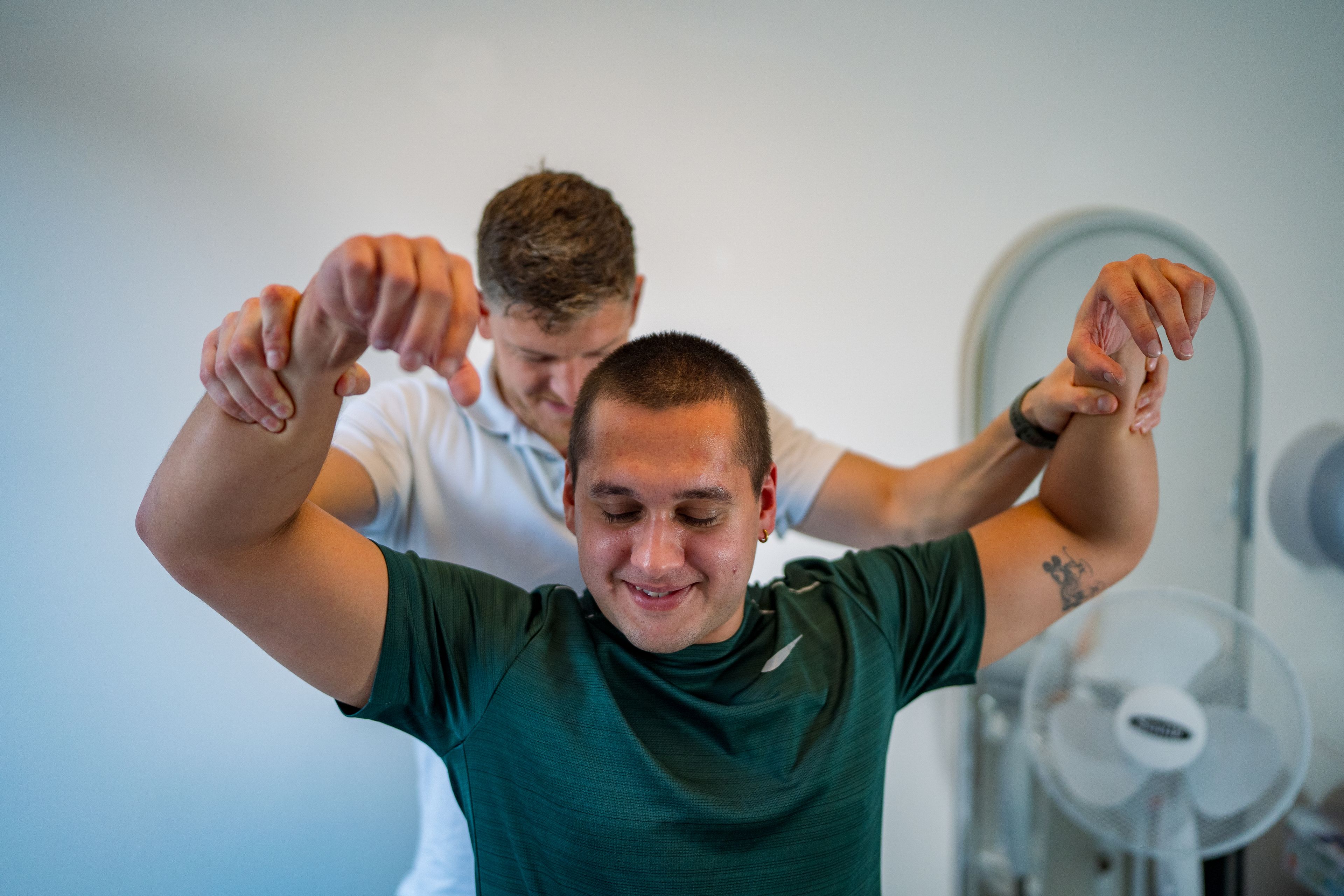
Where Is Your Hip Pain Coming From?
Hip pain isn't always in the hip joint itself. Groin pain usually indicates the joint, but outer hip pain often comes from tendons or bursae. Back problems can refer pain to the hip. We assess the whole kinetic chain - hip, pelvis, lower back, and knee - to find the real source.
Common Symptoms We See
How We Diagnose
Movement Analysis
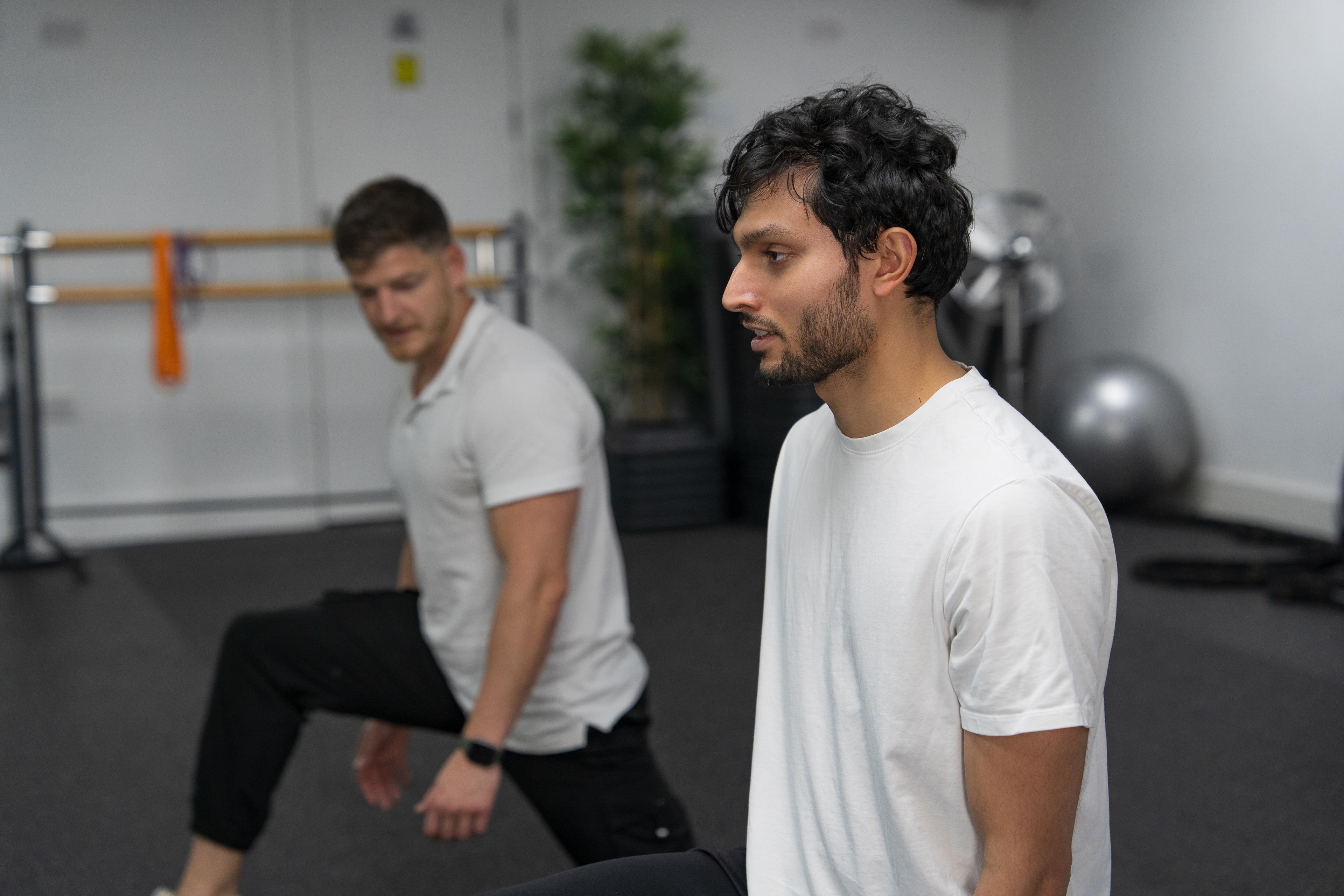
Watch you walk, perform single-leg squats, and assess your hip range of motion. We look for compensations that might be driving your pain pattern.
Specific Tests
We use clinical tests proven to identify hip problems:
- • FADIR test (hip impingement/labral tears)
- • FABER test (hip joint vs SI joint pain)
- • Scour test (hip arthritis)
- • Trendelenburg test (glute weakness)
- • Palpation for trochanteric bursitis
- • Range of motion measurements
When You Need Imaging
We'll refer you for X-ray if we suspect significant arthritis or structural abnormalities. MRI is useful for labral tears or if conservative treatment isn't working. But most hip pain can be effectively treated based on clinical assessment alone.
Red Flags
Severe trauma, inability to bear weight, hip pain with fever, sudden severe groin pain (possible stress fracture), or unexplained night pain in older adults - these need urgent medical attention. We'll guide you appropriately.
Exercises We'll Use in Your Recovery
These aren't random hip stretches. Each one targets a specific deficit we identify in your assessment. Here are the most effective movements for hip rehabilitation:
Clamshells (Hip Abduction)
Why: Strengthens gluteus medius, which controls your pelvis when walking and prevents hip drop. Weak glute med is behind most hip and knee problems.
Single-Leg Bridges
Why: Builds gluteus maximus strength for power and hip stability. Essential for walking, stairs, and running without compensations.
Hip Flexor Stretching
Why: Tight hip flexors from sitting pull your pelvis forward and compress the front of your hip joint. Releasing them creates space and reduces groin pain.
Single-Leg Stands
Why: Retrains balance and proprioception while strengthening all hip stabilisers. Mimics the single-leg stance phase of walking.
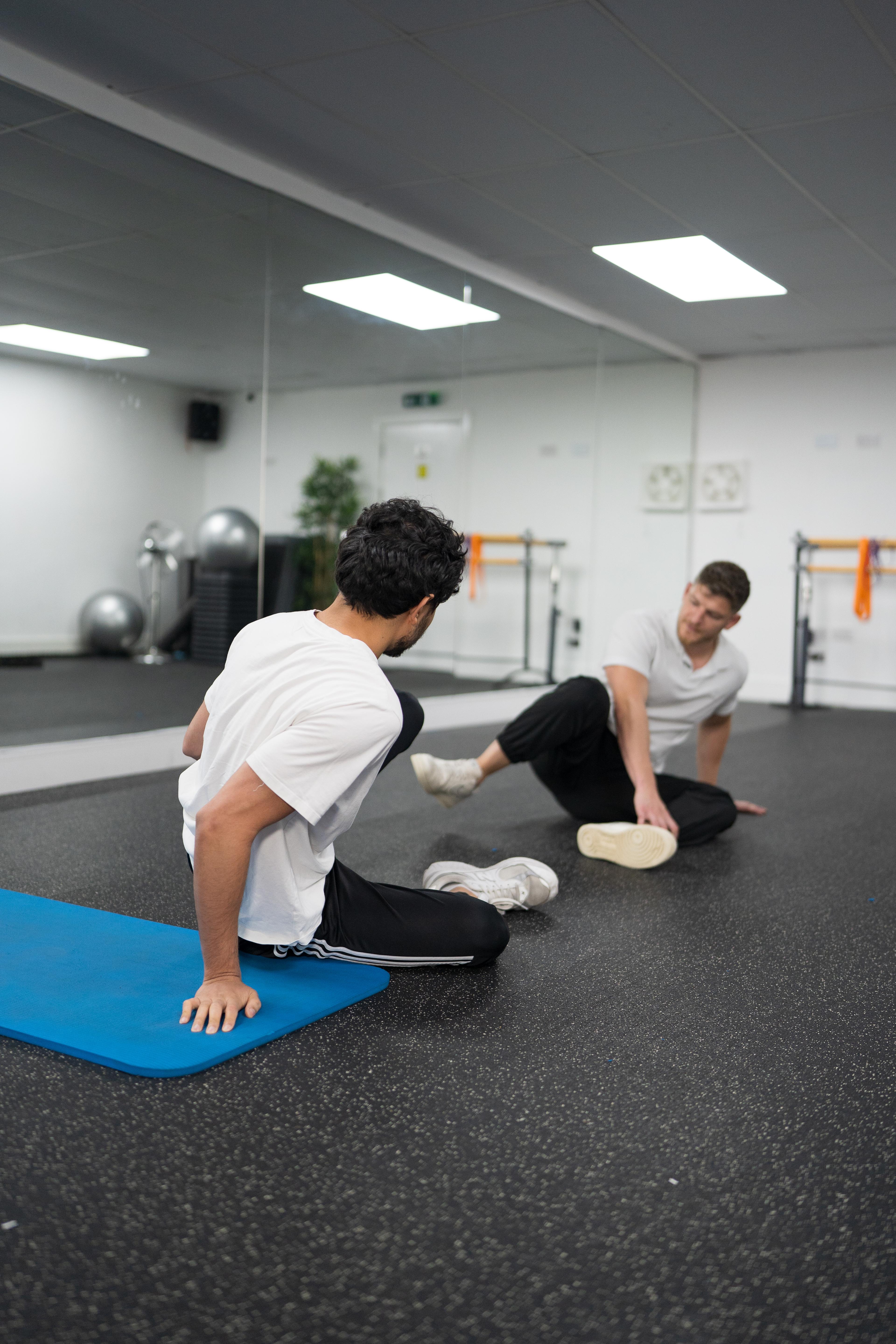
Hip Mobility Work (90/90 Stretches)
Why: Restores internal and external rotation range, which is lost early with hip arthritis or impingement. Better rotation reduces joint compression.
Ready to Get Started?
Let's create a tailored treatment plan for your hip
Your Physiotherapist
HCPC-registered expert in hip rehabilitation
Conor Sheehan
NHS & Elite Sport Physiotherapist • Professional Rugby & MMA Experience
Pain slowing you down? Let's fix it.
Our Treatment Approach
Every hip is different. Here's how we typically progress treatment based on your specific condition.

Pain Relief & Protection
Weeks 1-2
- •Manual therapy to reduce inflammation and improve mobility
- •Activity modification (reduce irritating movements)
- •Walking aids if needed to reduce load
- •Ice and compression for acute pain
- •Gentle range of motion exercises
Restore Mobility
Weeks 2-4
- •Hip joint mobilisation techniques
- •Soft tissue work on hip flexors, glutes, TFL, IT band
- •Hip rotation mobility exercises (90/90 stretches)
- •Lumbar spine assessment and treatment if needed
- •Begin gentle glute activation
Rebuild Strength
Weeks 4-8
- •Progressive glute strengthening (medius and maximus)
- •Single-leg exercises for stability (bridges, squats, deadlifts)
- •Hip extension and abduction strengthening
- •Core stability work
- •Gait retraining if needed
Return to Activity
Weeks 8-12+
- •Running gait analysis and retraining if relevant
- •Sport-specific movements (cutting, jumping, twisting)
- •Advanced strength training (squats, lunges, deadlifts)
- •Load management education
- •Long-term maintenance programme
Hip Pain Treatment Pricing
Invest in your recovery with our transparent pricing
Initial Assessment
£80
Complete assessment with hands-on treatment to identify root causes. Perfect for new patients or new conditions.
- Thorough assessment of your condition
- Hands-on treatment in the same session
- Personalised home exercise programme
- Clear recovery roadmap
Follow-up
£70
Comprehensive treatment for multiple areas or complex conditions. Ideal for thorough recovery and exercise progression.
- Comprehensive hands-on treatment
- Multiple area treatment
- Thorough exercise programme review
- Optimal for complex conditions
Initial Assessment
£80
Complete assessment with hands-on treatment to identify root causes. Perfect for new patients or new conditions.
- Thorough assessment of your condition
- Hands-on treatment in the same session
- Personalised home exercise programme
- Clear recovery roadmap
Follow-up
£70
Comprehensive treatment for multiple areas or complex conditions. Ideal for thorough recovery and exercise progression.
- Comprehensive hands-on treatment
- Multiple area treatment
- Thorough exercise programme review
- Optimal for complex conditions
How Long Will This Actually Take?
Honest timelines based on research and our clinical experience with each condition. Recovery varies based on severity, consistency with exercises, and your overall health.
Hip Osteoarthritis
OngoingArthritis is chronic, but symptoms improve significantly with 8-12 weeks of targeted exercise. This becomes a long-term management plan. Many people manage arthritis for years without surgery through consistent strength training.
Reality: Exercise is more effective than painkillers for hip arthritis. We can often delay or avoid hip replacement by years.
Trochanteric Bursitis (Outer Hip Pain)
6-8 weeksWith proper glute strengthening and activity modification, most people see significant improvement in 6-8 weeks. The key is building strength in gluteus medius and addressing contributing factors like leg length differences or poor walking mechanics.
Common mistake: Just stretching the IT band. You need to strengthen the glute med to reduce compression on the bursa.
Hip Labral Tears (Non-Surgical)
12-16 weeksMany labral tears respond well to conservative treatment focused on improving hip mechanics and strength. Expect gradual improvement over 12-16 weeks. Surgery isn't always necessary, especially for degenerative tears in older adults.
Good news: Research shows conservative treatment is as effective as surgery for many labral tears.
Hip Impingement (FAI)
8-12 weeksFemoroacetabular impingement often responds well to mobility and strength work. By improving hip rotation, strengthening stabilisers, and modifying aggravating movements, most people see significant improvement in 8-12 weeks.
Key factor: Avoiding deep hip flexion (like deep squats) during recovery is crucial. We'll progress you gradually.
Gluteal Tendinopathy
12-16 weeksTendon healing takes time. Expect gradual improvement over 12-16 weeks with progressive loading exercises. The key is avoiding compression (like crossing legs or sleeping on the painful side) while building tendon capacity through strength work.
Critical: This isn't just bursitis. It's a tendon problem that needs specific progressive loading, not just rest.
How to Keep Your Hips Healthy
Prevention is always better than treatment. Here's what actually works to protect your hips long-term:
1. Prioritise Glute Strength
Strong glutes (especially gluteus medius) stabilise your pelvis and reduce hip joint load. Do single-leg exercises, clamshells, and bridges 2-3x per week. Weak glutes are the root cause of most hip problems.
2. Maintain Hip Mobility
Loss of hip rotation is an early sign of problems. Keep your hips mobile:
- • 90/90 hip stretches for internal and external rotation
- • Hip flexor stretching (especially if you sit a lot)
- • Avoid sitting for hours without movement breaks
- • Deep squat holds to maintain full range
3. Watch Your Training Load
Sudden increases in running mileage, heavy squatting, or high-impact activities can overload your hip. Follow the 10% rule - don't increase training volume by more than 10% per week. Give your body time to adapt.
4. Don't Ignore Early Warning Signs
Groin pain with certain movements, clicking with deep squats, or stiffness after sitting are early signs. Catching problems early means faster resolution. Don't wait until you're limping.
Already Dealing with Hip Pain?
Don't wait for it to get worse. Get expert assessment and treatment
We Also Treat
Back & Neck Pain
Relief from chronic or acute pain through targeted treatment for improved mobility and comfort.
Learn moreSports Injuries
Fast, effective rehabilitation for muscle strains, ligament tears, and other sports-related injuries.
Learn moreJoint Pain
Treatment for knee, shoulder, hip and ankle problems to restore function and reduce discomfort.
Learn more