
Shoulder Pain Treatment
Expert Shoulder Pain Treatment in Archway
Shoulder pain can affect everything from reaching overhead to sleeping comfortably. Whether you're dealing with rotator cuff tendinopathy, frozen shoulder, shoulder impingement, or instability, our physiotherapists specialise in diagnosing and treating all shoulder conditions to restore pain-free movement and function.
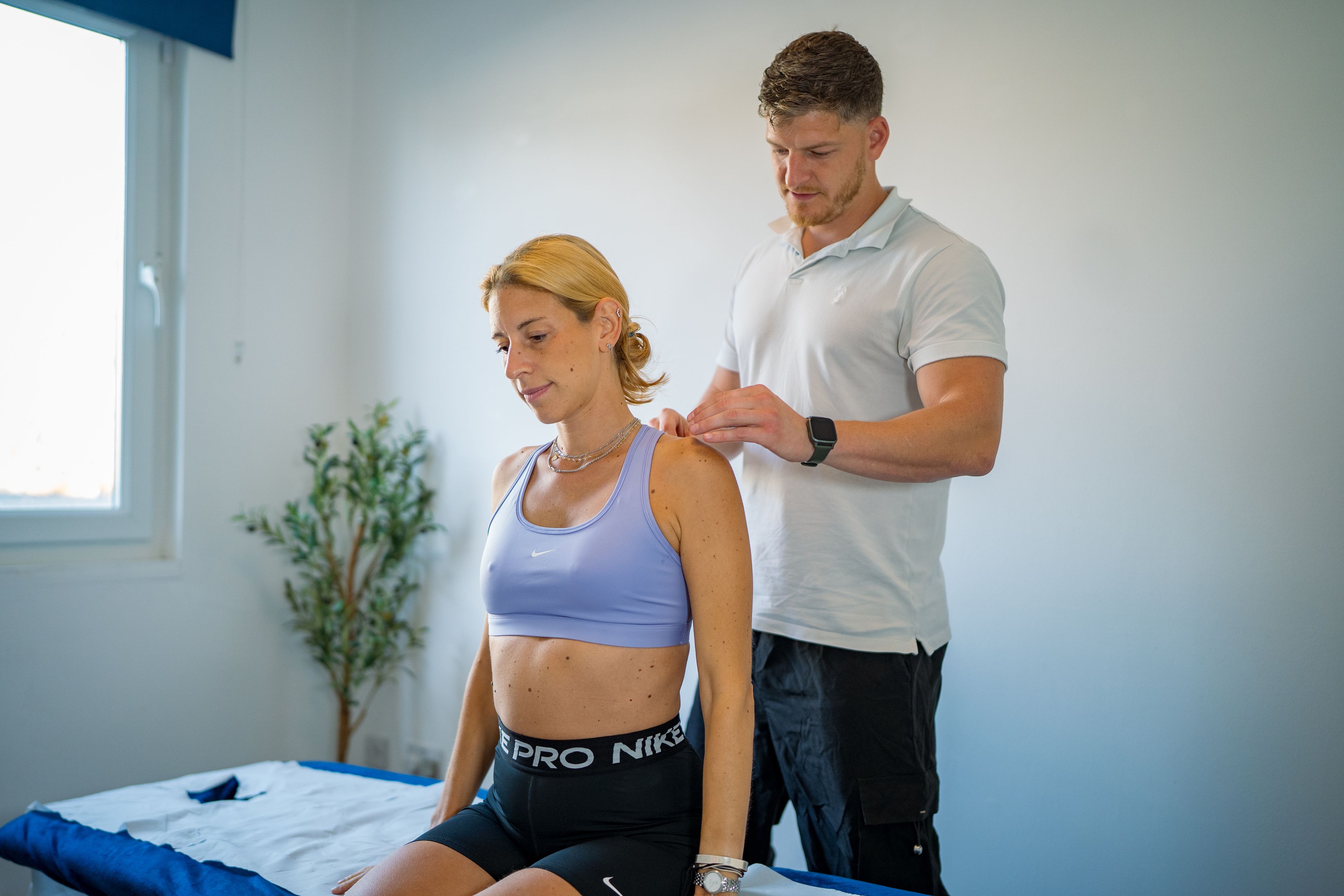
What's Really Causing Your Shoulder Pain?
Your shoulder is the most mobile joint in your body, which also makes it the most vulnerable. Pain can come from the rotator cuff, shoulder blade mechanics, neck issues, or even poor desk posture. We assess the whole system to find the real source.
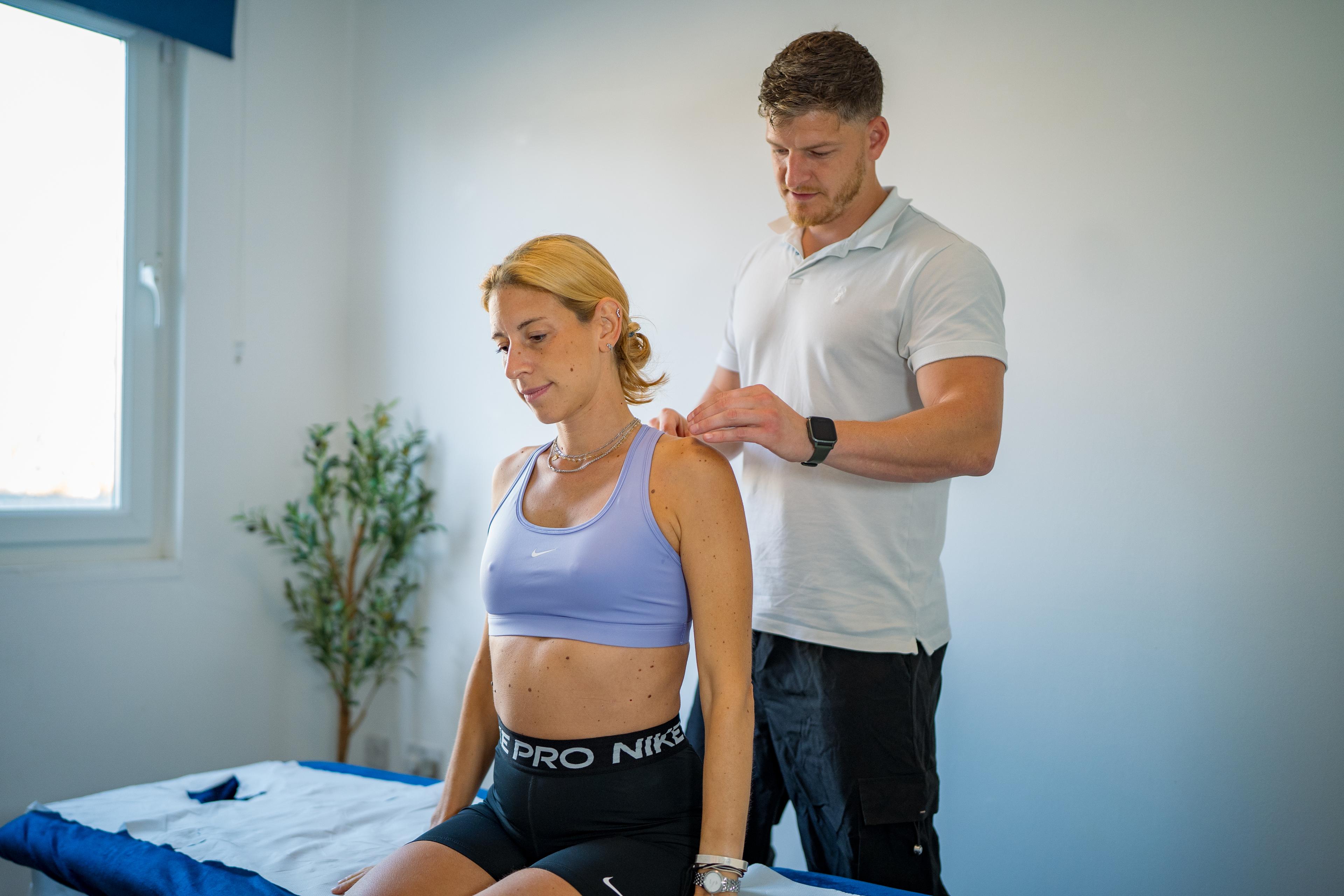
Common Symptoms We See
How We Diagnose
Movement Analysis
Watch how you reach overhead, behind your back, and assess your shoulder blade movement during activities. Poor scapular control often drives shoulder pain.
Specific Tests
We use clinical tests proven to identify shoulder problems:
- • Neer's test (impingement syndrome)
- • Hawkins-Kennedy test (subacromial impingement)
- • Empty can test (rotator cuff integrity)
- • Drop arm test (rotator cuff tears)
- • Apprehension test (instability)
- • Range of motion measurements
When You Need Imaging
Most shoulder pain doesn't need a scan. We'll refer you for ultrasound or MRI if we suspect a complete rotator cuff tear or severe structural damage that might need surgical review. Our clinical assessment is usually sufficient.
Red Flags
Sudden severe pain after trauma, complete inability to lift your arm, signs of infection (fever, heat, redness), or neurological symptoms (numbness, tingling down arm) need urgent medical attention. We'll guide you to the right place.
Exercises We'll Use in Your Recovery
These aren't generic shoulder exercises. Each one targets a specific deficit we identify in your assessment. Here are the most effective movements for shoulder rehabilitation:
External Rotation (Band Work)
Why: Strengthens your infraspinatus and teres minor (rotator cuff muscles) which are crucial for shoulder stability and preventing impingement.
Scapular Retraction (Rows)
Why: Your shoulder blade must move correctly for pain-free overhead movement. Weak rhomboids and mid-traps are behind most shoulder problems.
Wall Slides / Overhead Reach
Why: Retrains your overhead movement pattern while maintaining proper scapular position. Essential for returning to overhead activities.
Serratus Anterior Activation
Why: This often-weak muscle controls your shoulder blade during pushing and overhead movements. Weakness leads to winging and impingement.
Pendulum / Passive Stretching
Why: For frozen shoulder or severe pain, gentle passive movements help maintain mobility without aggravating inflammation.
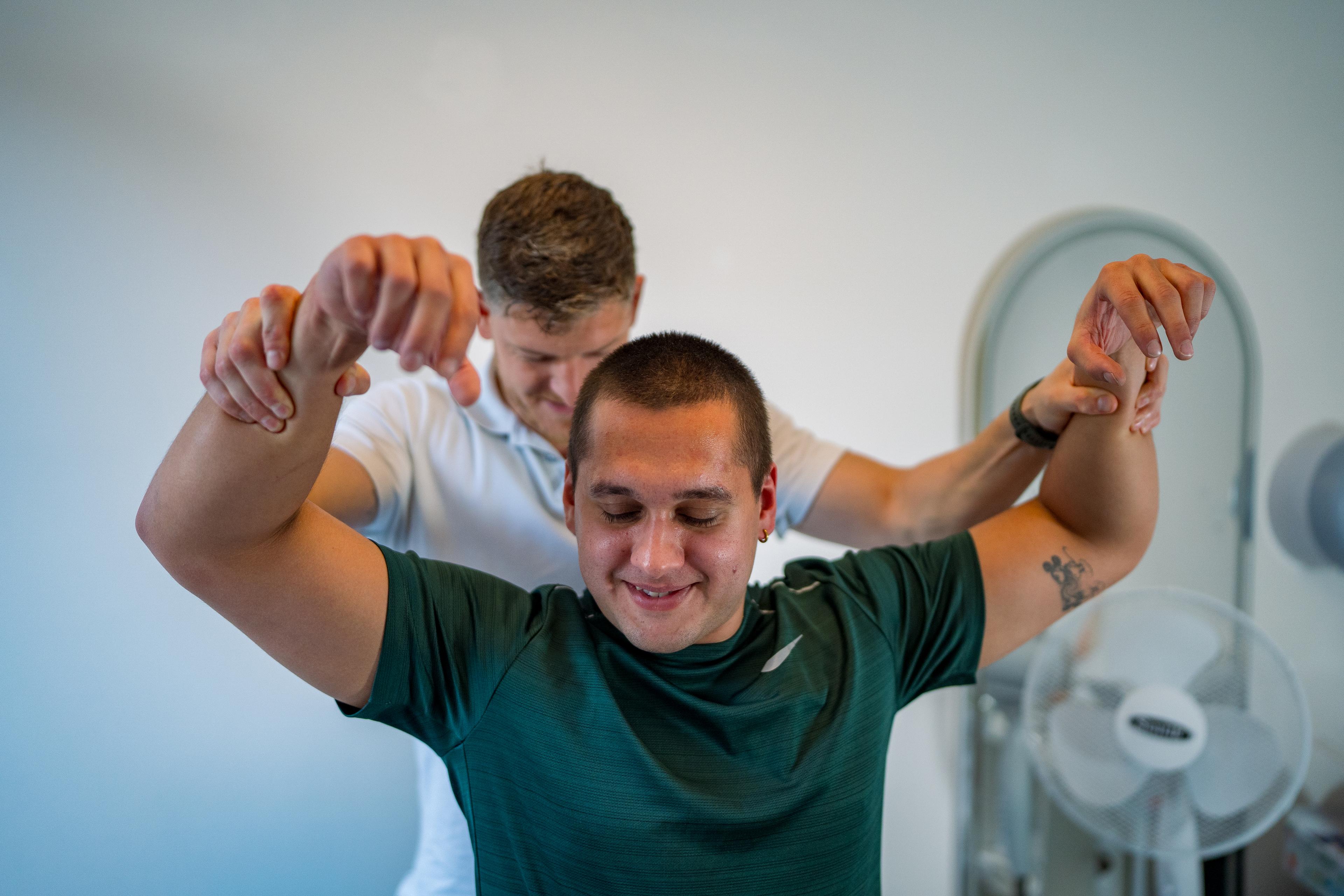
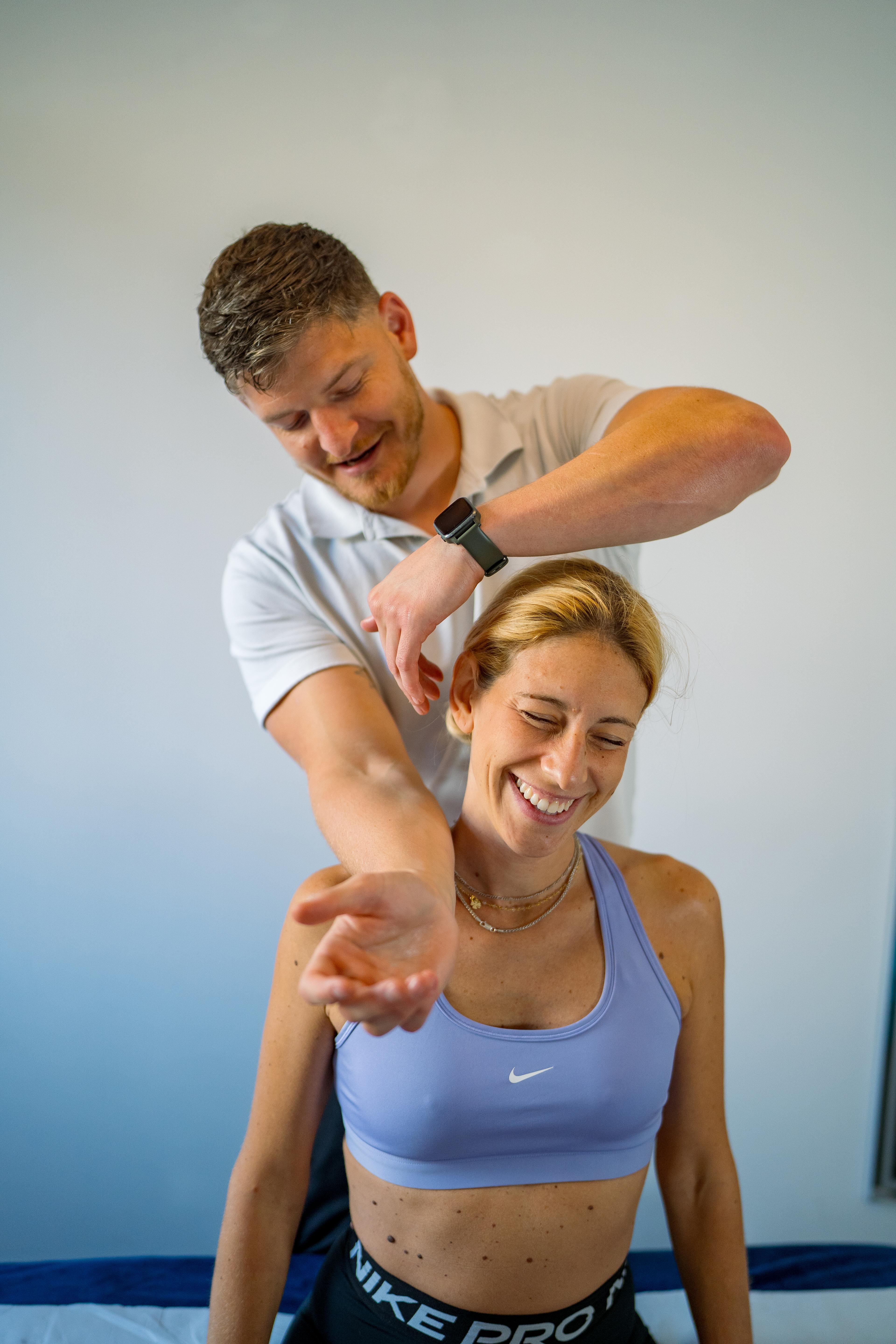
Ready to Get Started?
Let's create a tailored treatment plan for your shoulder
Your Physiotherapist
HCPC-registered expert in shoulder rehabilitation
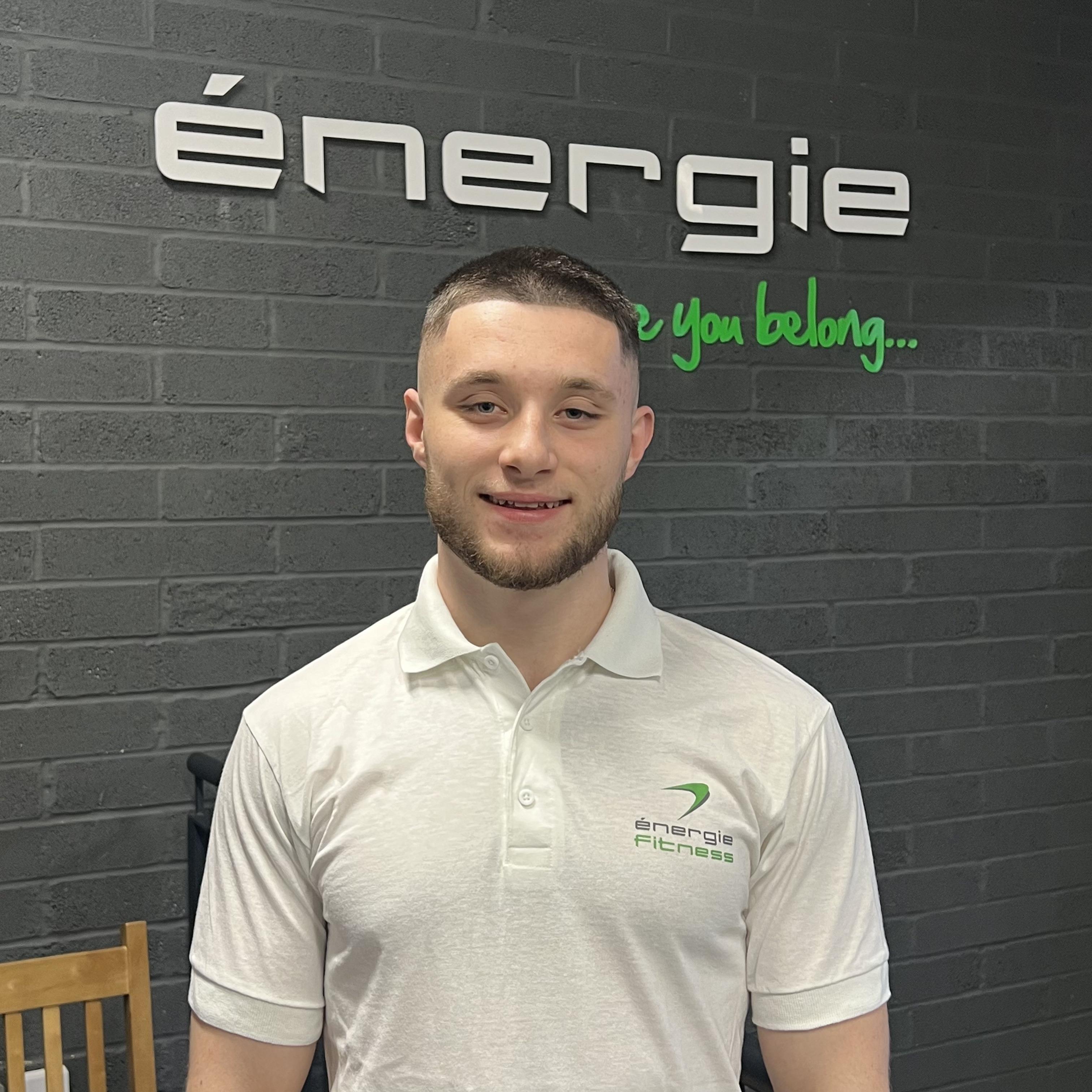
Conor Sheehan
NHS & Elite Sport Physiotherapist • Professional Rugby & MMA Experience
Pain slowing you down? Let's fix it.
Our Treatment Approach
Every shoulder is different. Here's how we typically progress treatment based on your specific condition.

Pain Relief & Protection
Weeks 1-2
- •Manual therapy to reduce inflammation and restore mobility
- •Taping techniques for immediate pain relief
- •Activity modification to avoid aggravation
- •Sleeping position guidance for night pain
- •Gentle pendulum and passive range of motion
Restore Mobility
Weeks 2-4
- •Shoulder joint mobilisation techniques
- •Soft tissue work on tight pecs, lats, and upper traps
- •Thoracic spine mobility (crucial for overhead reach)
- •Active-assisted range of motion exercises
- •Begin light rotator cuff activation
Rebuild Strength
Weeks 4-8
- •Progressive rotator cuff strengthening (all four muscles)
- •Scapular stability work (rows, retractions)
- •Serratus anterior strengthening
- •Overhead strengthening (press variations)
- •Postural correction exercises
Return to Activity
Weeks 8-12+
- •Sport-specific movements (throwing, swimming, lifting)
- •Advanced strength training (push-ups, pull-ups, overhead press)
- •Power and speed work if needed for sport
- •Load management education
- •Long-term maintenance programme
Shoulder Pain Treatment Pricing
Invest in your recovery with our transparent pricing
Initial Assessment
£80
Complete assessment with hands-on treatment to identify root causes. Perfect for new patients or new conditions.
- Thorough assessment of your condition
- Hands-on treatment in the same session
- Personalised home exercise programme
- Clear recovery roadmap
Follow-up
£70
Comprehensive treatment for multiple areas or complex conditions. Ideal for thorough recovery and exercise progression.
- Comprehensive hands-on treatment
- Multiple area treatment
- Thorough exercise programme review
- Optimal for complex conditions
Initial Assessment
£80
Complete assessment with hands-on treatment to identify root causes. Perfect for new patients or new conditions.
- Thorough assessment of your condition
- Hands-on treatment in the same session
- Personalised home exercise programme
- Clear recovery roadmap
Follow-up
£70
Comprehensive treatment for multiple areas or complex conditions. Ideal for thorough recovery and exercise progression.
- Comprehensive hands-on treatment
- Multiple area treatment
- Thorough exercise programme review
- Optimal for complex conditions
How Long Will This Actually Take?
Honest timelines based on research and our clinical experience with each condition. Recovery varies based on severity, consistency with exercises, and your overall health.
Rotator Cuff Tendinopathy
8-12 weeksMost people notice pain reduction within 3-4 weeks with proper rotator cuff strengthening. Full return to overhead activities usually takes 8-12 weeks.
Key factor: Consistency with exercises and avoiding aggravating activities. Rushing back to overhead work adds weeks to recovery.
Frozen Shoulder (Adhesive Capsulitis)
12-24 monthsFrozen shoulder typically progresses through three phases: freezing (painful), frozen (stiff), and thawing (recovering). The full cycle takes 12-24 months, but physio can significantly speed recovery and manage symptoms at each stage.
Reality check: There's no quick fix, but treatment makes the process much more bearable and can shave 6+ months off recovery.
Shoulder Impingement Syndrome
6-8 weeksWith proper scapular strengthening and posture correction, most people see significant improvement within 6-8 weeks. The key is fixing your shoulder blade position and rotator cuff strength.
Common mistake: Only doing rotator cuff exercises. You need scapular stability work too - that's what creates space in your shoulder.
Post-Shoulder Dislocation
6-8 weeksInitial healing takes 6-8 weeks, but building strength to prevent re-dislocation takes 12-16 weeks. First-time dislocations need careful rehab to reduce re-injury risk from 80% to under 20%.
Critical: Rushing return to sport massively increases re-dislocation risk. We test your stability objectively before clearing you.
Partial Rotator Cuff Tears (Non-Surgical)
12-16 weeksMany partial tears respond excellently to conservative treatment. Expect gradual improvement over 12-16 weeks as we strengthen the remaining cuff muscles and improve shoulder mechanics.
Good news: Research shows physio is as effective as surgery for many rotator cuff tears, especially in people over 50.
Why Your Shoulder Hurts More at Night
Shoulder pain that keeps you awake is incredibly frustrating. Here's why it happens and what actually helps:
Why Night Pain Happens
Lying down increases pressure on inflamed tendons. Blood flow changes at night can increase inflammation. Loss of gravity support means your muscles must work harder to stabilise your shoulder, even at rest.
Best Sleeping Positions
- •Sleep on your good side with a pillow between your arms
- •Sleep on your back with a pillow under your painful arm for support
- •Never sleep directly on the painful shoulder - this compresses inflamed structures
- •Use a recliner if lying flat is impossible - semi-upright can reduce pressure
What Actually Helps
Ice before bed to reduce inflammation. Gentle pendulum exercises in the evening to relax muscles. Anti-inflammatory medication timed for bedtime (consult your GP). Most importantly: addressing the underlying cause with physio. Night pain typically improves within 2-3 weeks of proper treatment.
Tired of Sleepless Nights?
Let's address the root cause of your shoulder pain and get you sleeping again
How to Keep Your Shoulders Healthy
Prevention is always better than treatment. Here's what actually works to protect your shoulders long-term:
1. Prioritise Rotator Cuff and Scapular Strength
Strong rotator cuff stabilises your shoulder joint. Strong scapular muscles create proper shoulder blade movement. Do external rotation, rows, and face pulls 2-3x per week.
2. Fix Your Desk Setup
Poor desk posture is behind most shoulder problems. Key fixes:
- • Monitor at eye level to avoid forward head posture
- • Armrests supporting elbows at 90 degrees
- • Take breaks every 30 minutes to move your shoulders through range
- • Avoid mouse work with arm unsupported
3. Balance Your Training
If you do lots of pressing (bench press, push-ups), you MUST do equal or more pulling (rows, pull-ups). The 2:1 pull-to-push ratio prevents shoulder impingement and maintains proper posture.
4. Don't Ignore Early Warning Signs
Pain reaching overhead, night pain, or clicking with certain movements are early signs of problems. Catching them early means faster resolution. Don't wait until you can't lift your arm.
Already Dealing with Shoulder Pain?
Don't wait for it to get worse. Get expert assessment and treatment
We Also Treat
Back & Neck Pain
Relief from chronic or acute pain through targeted treatment for improved mobility and comfort.
Learn moreSports Injuries
Fast, effective rehabilitation for muscle strains, ligament tears, and other sports-related injuries.
Learn moreJoint Pain
Treatment for knee, shoulder, hip and ankle problems to restore function and reduce discomfort.
Learn more